
How To Improve Negotiation Skills Like A Pro
Ever wondered why some people talk their way through tough talks easily? Others find it hard to get their point across. The secret is in negotiation skills.
Learning to negotiate well is more than just talking. It’s about smart communication, knowing people, and finding solutions that work for everyone. Whether it’s a business deal, asking for a raise, or solving personal issues, good negotiation can make a big difference.
Negotiation is like a special art that mixes knowing people, thinking ahead, and clear talking. The best at it know these skills can be learned. They get better with practice, thinking about what they did, and always trying to do better.
Key Takeaways
- Negotiation skills are learnable and improvable
- Effective communication is key in winning negotiations
- Knowing how people think helps in negotiations
- Being ready is important for confident talks
- Getting better comes from practicing and thinking about it
Understanding the Basics of Negotiation
Negotiation is a key skill for life. It helps us deal with tough social and work situations. It’s about talking things out to find solutions that work for everyone.
Good negotiations start with a few important steps. These steps turn disagreements into chances to work together. Knowing these steps helps us find solutions that everyone can agree on.
What is Negotiation?
Negotiation is when people with different wants find common ground. It includes:
- Identifying shared objectives
- Understanding each party’s underlying needs
- Exploring creative alternatives
- Reaching mutually acceptable outcomes
Key Components of Effective Negotiation
Good negotiation skills need a few key things:
- Clear Communication: Talking about what you want clearly
- Active Listening: Really hearing what the other side says
- Emotional Intelligence: Keeping your feelings and theirs in check
- Strategic Thinking: Thinking ahead about what might happen
By using these ideas, we can turn disagreements into chances to work together. This way, everyone gets something good out of it.
The Importance of Negotiation Skills
Negotiation skills are very important. They can change your life in big ways. They help you make connections, understand people better, and get what you want.
Being good at negotiation has many benefits. It lets you read people’s body language and build strong relationships.
Benefits in Personal Life
In your personal life, negotiation skills make a big difference. They help you talk things out and solve problems.
- Resolve family disagreements more effectively
- Communicate emotional needs with clarity
- Establish healthier boundaries
- Strengthen interpersonal connections
Advantages in Professional Settings
At work, negotiation skills are key. They help you close deals and deal with tough situations.
- Negotiate salary and compensation packages
- Secure better professional opportunities
- Manage team conflicts
- Enhance leadership credibility
Investing in negotiation skills is not just about winning—it’s about creating mutual understanding and achieving collaborative success.
Developing a Negotiation Mindset
Learning to negotiate is more than knowing the rules. It’s about having a strong mindset. This mindset includes being confident, resilient, and strategic. It’s about understanding the mind tricks that help you talk and deal well.
The Role of Confidence in Negotiations
Confidence is key in negotiations. When you’re sure of yourself, you’re ready to talk and listen well. Tips for better negotiation include:
- Thorough preparation and research
- Knowing your worth
- Being kind to yourself
- Seeing yourself grow
Overcoming Fear of Rejection
Good negotiators face and beat the fear of saying no. This fear can stop you from getting what you want. Successful negotiators see no as a chance to learn, not as a failure.
| Fear Type | Impact on Negotiation | Overcoming Strategy |
|---|---|---|
| Fear of Failure | Reduces assertiveness | Reframe as learning opportunity |
| Fear of Conflict | Limits possible outcomes | Practice talking well |
| Fear of Rejection | Stops you from trying | Build emotional strength |
With a strong negotiation mindset, you turn challenges into chances to grow. Confidence is a skill you can build with practice and the right mindset.
Preparing for Negotiations
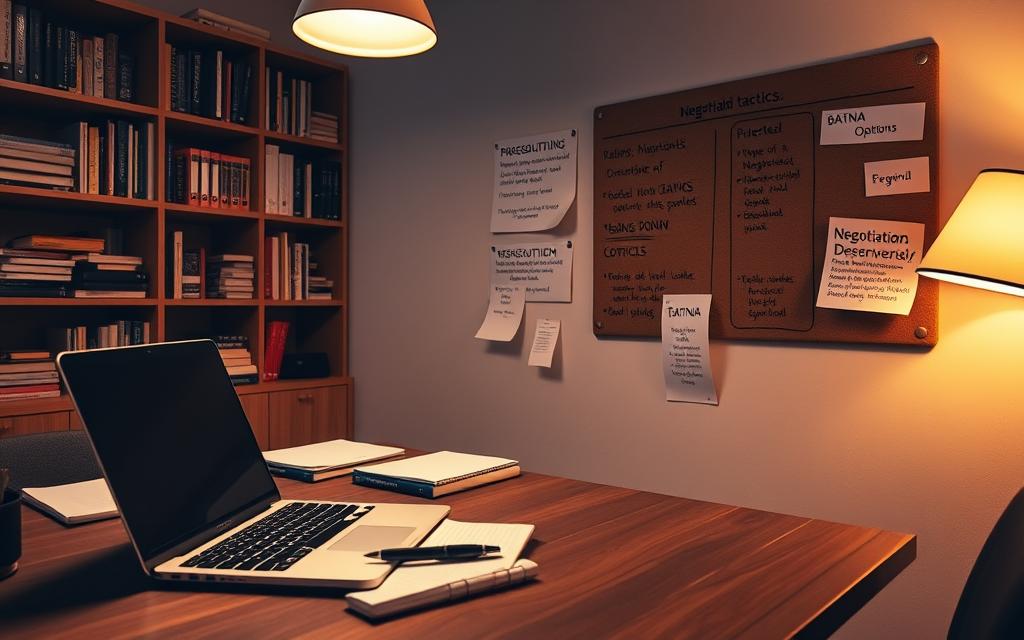
Good negotiations start before you meet. Getting ready is key to doing well. Without a plan, you might not do well.
Knowing the situation and what you want is important. Good negotiation starts with solid groundwork. This helps for a good talk.
Researching Your Counterpart
Knowing the other side is very important. Your research should cover:
- Professional background
- Personal motivations
- Previous negotiation patterns
- Potential constraints or limitations
Setting Clear Objectives
Having clear goals makes your negotiation better. Make a checklist for your prep. It should include:
- Specific desired outcomes
- Minimum acceptable terms
- Potential compromise points
- Alternative solutions
Pro tip: Use a SWOT analysis to evaluate your position and anticipate challenges before negotiations.
Spending time on prep boosts your negotiation success. This way, everyone can win.
Essential Communication Skills for Negotiation
Mastering communication is key to winning in negotiations. Good communicators listen deeply and speak clearly. They turn talks into chances for teamwork.
Building strong communication skills takes many steps. It boosts your negotiation confidence. It’s both an art and a science.
Active Listening Techniques
Listening well is very important in negotiation. Good listeners get the full message, not just words.
- Maintain eye contact during conversations
- Use non-verbal cues to show engagement
- Paraphrase to confirm understanding
- Ask clarifying questions
Articulating Your Position Clearly
Clear talk means saying what you mean with confidence. You want to share your thoughts clearly but stay open to others.
| Communication Strategy | Key Benefits |
|---|---|
| Use precise language | Reduces misunderstandings |
| Structure arguments logically | Enhances credibility |
| Demonstrate empathy | Builds trust |
Using these tips, negotiators can have better talks. These talks can lead to good results for everyone.
Building Rapport with Others
Mastering Business Negotiation Techniques is more than just thinking ahead. It’s about building rapport. This can turn conflicts into chances to work together. Good negotiators know that growing personally means making real connections.
Building strong relationships is key in negotiations. Trust is the base of any good negotiation. It makes talking easier and leads to better results.
Finding Common Ground
Finding things you both like can make negotiations better. Here are some ways to do it:
- Ask open questions about their work
- Look for goals or problems you both have
- Share your own stories
- Show you really care about what they think
Establishing Trust
Building trust means being open and clear. Here’s how:
- Keep your body language the same
- Be honest about what you want
- Listen well
- Keep your promises
Negotiators who focus on rapport build respect. By building relationships, they turn fights into teamwork. This leads to wins for everyone.
Different Negotiation Styles
Understanding negotiation psychology is key. It helps you know how to get what you want. Learning different negotiation styles can make you better at talking and making deals.
There’s no one way to negotiate. Good negotiators change their style for each situation. To get better at sales, you need to know and use different negotiation styles.
Competitive vs. Collaborative Approaches
There are two main negotiation styles:
- Competitive Approach: Focuses on winning at all costs
- Prioritizes personal gains
- Uses assertive tactics
- Minimal compromise
- Collaborative Approach: Seeks mutual benefits
- Emphasizes shared outcomes
- Builds long-term relationships
- Encourages creative problem-solving
When to Use Each Style
Choosing the right style depends on the situation. Competitive works well in tough situations with little resources. Collaborative is best for complex deals that need ongoing partnerships.
To be good at negotiation, learn to read situations and change your style. Great negotiators switch between styles to get the best results.
Strategies for Effective Negotiation
Mastering negotiation is more than just talking. It’s about using smart questions and careful words. This can really change how things turn out. Good negotiators know how to get info without making things tense.
Two key tools for negotiators are open-ended questions and knowing when to be silent. These help build trust and let both sides understand each other better.
Using Open-Ended Questions
Open-ended questions are key for getting full answers. They’re not like yes or no questions. They ask for more details.
- Start questions with what, how, or why
- Avoid leading or suggestive language
- Listen carefully to the full response
- Use follow-up questions to explore deeper insights
The Power of Silence
Silence is powerful in negotiations. It can make the other side talk more or think again.
- Pause after the other party speaks
- Maintain calm, neutral body language
- Allow uncomfortable moments to develop naturally
- Listen for voluntary additional disclosures
Using these smart ways to talk, negotiators can make deals that work for everyone.
Handling Objections and Resistance
Negotiation can be tough. You might face hard talks and obstacles. Knowing how to deal with these is key.
Good negotiators see objections as chances to learn. They use empathy, assertiveness, and clear talk to overcome hurdles.
Empathy as a Powerful Negotiation Tool
Listening well is key to winning over others. When you really get what they’re saying, trust grows. Make sure your negotiation plan includes ways to listen well:
- Validate the other party’s feelings and concerns
- Ask clarifying questions to understand underlying motivations
- Reflect back their key points to show you’re truly listening
Techniques for Addressing Objections
Being assertive doesn’t mean being pushy. It’s about standing up for your view in a kind way. Here are some tips for dealing with pushback:
| Technique | Description | Benefit |
|---|---|---|
| Reframing | Turn objections into chances to work together | Changes the focus from fighting to finding solutions |
| Probing Questions | Find out why someone is resistant | Reveals what’s really holding them back |
| Collaborative Solution | Look for solutions that work for everyone | Helps build trust and makes agreement more likely |
Remember, the goal is not to win an argument but to create a pathway to understanding and resolution.
Closing the Deal
Good negotiations need smart decision-making. This turns talks into real results. The end of any deal needs careful planning and great communication.
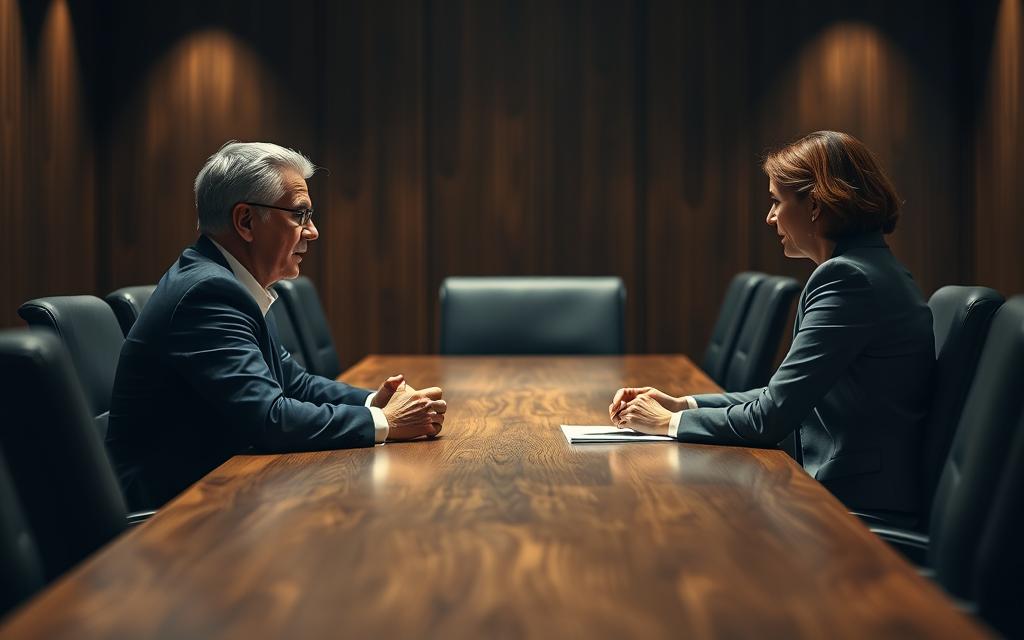
Learning to close deals means knowing key talking points. These help make agreements strong. Good negotiators know when to stop talking and start doing.
Recognizing the Right Moment
Finding the best time to close needs sharp eyes and smart thinking. Look for these signs:
- Everyone understands what they want
- There’s less arguing
- Everyone’s goals are in line
- People are ready to give in
Finalizing Agreements Effectively
Use these tips to make deals work:
- Quickly sum up what was talked about
- Make sure everyone agrees
- Write down the deal clearly
- Plan how to follow up
The main goal is to make everyone happy. Good negotiators aim for deals that help everyone. It’s not about winning, but about working together well.
Learning from Experience
Learning to negotiate well takes a lot of effort and self-improvement. The best negotiators don’t just have natural talent. They also keep working on getting better through reflection and analysis.
Improving at negotiation starts with looking back at your past efforts. It’s about understanding what worked and what didn’t. This helps you grow.
Reflecting on Past Negotiations
Make a plan to review your past negotiations. Think about these important points:
- Write down what happened in each negotiation
- Think about how you felt during the talks
- Look at how you communicated
- Find out what went right and what could have been better
Keeping a Negotiation Journal
Keeping a negotiation journal is a great way to track your progress. Write down everything you notice after each negotiation. Include:
- What strategies worked well
- Any challenges you faced
- How your emotions affected you
- What you learned for next time
Writing down your experiences helps you understand your negotiation style better. It’s a way to make a plan for getting even better. The key to being a great negotiator is to think deeply about your experiences and keep learning.
Leveraging Technology in Negotiation

The digital world has changed how we talk and solve problems. Now, technology helps us negotiate better and reach people all over the world.
Today’s negotiators use many online tools to get better at talking and persuading. These digital tools let them practice and get better from anywhere.
Virtual Negotiation Tools
There are many new tools for online talks:
- Zoom Breakout Rooms for complex multi-party discussions
- Microsoft Teams negotiation tracking features
- WebEx collaborative negotiation environments
- Specialized negotiation simulation software
Resources for Skill Development
There are many online places to learn more about negotiation:
- Coursera Negotiation Courses
- Introduction to Negotiation by Yale University
- Successful Negotiation Strategies by University of Michigan
- LinkedIn Learning negotiation skill workshops
- Harvard Business Review online negotiation masterclasses
By using digital tools and learning online, negotiators can get very good at their job. They can talk and solve problems in new ways.
Continuing Education and Training
Learning negotiation skills is a lifelong journey. To get better at bargaining, you need to keep learning. The world of negotiation changes fast, so you must keep up with training.
Learning new ways to negotiate can change how you work. Look for many ways to improve your negotiation skills:
- Professional Workshops and Intensive Seminars
- Online Certification Programs
- Specialized Negotiation Courses
- Industry-Specific Training Modules
Professional Development Options
There are many ways to learn negotiation skills. In-person workshops give you hands-on practice. Online courses are great for those with busy schedules.
- University Extension Programs
- Corporate Training Workshops
- Professional Association Seminars
- Digital Learning Platforms
Recommended Learning Resources
Choosing the right learning resources is key. Look for places that teach good communication, strategic thinking, and how to work with others.
- Harvard Business Review Negotiation Series
- LinkedIn Learning Negotiation Courses
- Coursera Negotiation Specializations
- Academic Press Negotiation Textbooks
Practicing Negotiation Skills
Getting good at negotiation is more than just reading about it. You need to practice. This turns what you know into something you can do easily. By doing skill-building activities often, you can improve your negotiation skills a lot.
Role-playing is a great way to get better at negotiation. It lets you try out different ways to read body language and close deals. You can also try different ways to talk without worrying about real problems.
Ask people you trust for feedback after you practice. They can tell you how you did and what you could do better. This helps you get even better at negotiating.
Keep practicing to get really good at negotiation. See each practice as a chance to learn. The more you practice, the better you’ll be in real situations.